An Illustrated History

Tarot, Cards
& the History of Art

Where tarot and playing cards really come from — the objects, the craft that made them possible, the art world alongside them, and the Christian imagery hidden in plain sight on the cards.

Written with respect for tarot as a living spiritual practice. This is a guide to where its pictures come from, not a verdict on what they mean to you.

A Renaissance hand-painted tarot card
Add a hero image — e.g. a Visconti tarot card
Cards & Tarot Craft & Material The Art World
I
c. 105 CE · Han China

Paper is born — the substrate for everything

Craft

Papermaking is refined (traditionally credited to Cai Lun). Without cheap paper, a throwaway deck of cards is simply impossible.

Art World

Roman imperial art at its height; Han funerary reliefs and silk painting in China.

II
7th–9th c. · Tang China

Printing — and the first cards

Cards & Tarot

The earliest hint of playing cards: the "leaf game" (yezi), referenced around 868 CE. Early decks are "money-suited," based on currency.

Craft

Woodblock printing matures. The Diamond Sutra (868 CE) is the oldest dated printed book — cards are a byproduct of having paper and print first.

Art World

Tang Buddhist sculpture and the Dunhuang cave paintings; in the West, early medieval and Byzantine art.

III
8th–13th c. · The road west

Paper travels, suits take shape

Cards & Tarot

The Mamluk deck (Egypt & Syria): four suits — cups, coins, swords, and polo-sticks — the direct ancestor of the European pack.

Craft

Papermaking spreads through the Islamic world to Spain (12th c.), then the first Italian mills at Fabriano (13th c.).

Art World

Islamic geometric and calligraphic arts; Romanesque giving way to Gothic; Giotto opens the door to naturalism around 1300.

IV
1370s · Europe

Cards arrive — suddenly

Cards & Tarot

Cards appear across Europe almost at once — 1371 Catalonia, 1377 Florence, Basel & Paris — followed by a wave of bans. The signature of something brand new.

Craft

A working European rag-paper industry is now in place, so the material is finally cheap and plentiful.

Art World

International Gothic; the Limbourg Brothers' Très Riches Heures follows soon after (c. 1412–16).

V
c. 1400–1430

The print trade begins

Cards & Tarot

The oldest surviving European card fragments (c. 1400–20, a Catalan "Moorish" deck, Fournier Museum, Spain).

Craft

A "Kartenmacher" is documented in 1402; workshops rise in Nuremberg, Augsburg & Ulm. Cards are the first woodcuts printed on paper in quantity.

Art World

The Early Renaissance ignites — Brunelleschi, Donatello, Masaccio; in the North, Van Eyck's Ghent Altarpiece (1432).

VI
1440s · Milan & Ferrara

Tarot is invented

Cards & Tarot

Italian courts add a fifth suit of trionfi (triumphs) to the deck for the game of tarocchi. Tarot is born — as a Renaissance card game, not a mystical tool.

Craft

The luxury tier: hand-painted decks with gold & silver leaf and tempera — the Visconti decks (Bembo workshop, c. 1441–51), the oldest tarot to survive.

Art World

The courtly High Renaissance — Fra Angelico, Piero della Francesca; Alberti's On Painting (1435) codifies perspective.
A hand-painted Visconti tarot card
A Visconti tarot card, c. 1450 — the oldest surviving tarot
VII
1450s–1490s

Mass printing & the standard decks

Cards & Tarot

The Cloisters / Flemish Hunting Deck (c. 1470–80), oldest complete ordinary deck; the Sola Busca (1491), oldest complete tarot, fully engraved.

Craft

Gutenberg's movable type (c. 1455) is for text — separate from the woodblocks used for cards. Copper engraving arrives for fine decks.

Art World

Botticelli's Primavera (c. 1482); Leonardo begins The Last Supper (c. 1495).

VIII
16th–18th c.

The long age of the game

Cards & Tarot

Regional suit systems harden; the Tarot de Marseille standardizes. For ~300 years, tarot is purely a trick-taking game.

Craft

Stencil mass-production and copper engraving; the French suits win out because they are cheapest to print. Card-maker guilds (cartiers) flourish.

Art World

High Renaissance → Baroque → Rococo.

IX
1781 · France

The occult reinvention

Cards & Tarot

Court de Gébelin declares tarot a lost Egyptian "Book of Thoth"; Etteilla makes the first divination-only decks. The mystical tradition begins here — and hieroglyphs can't even be read until Champollion in the 1820s.

Craft

Decks are now designed to look Egyptian: antiquity as costume, not as origin.

Art World

Neoclassicism — Jacques-Louis David.

X
19th c.

Esoteric systematizing

Cards & Tarot

Éliphas Lévi ties tarot to the Kabbalah, the Hebrew alphabet and astrology; the Golden Dawn later builds it into ritual practice.

Craft

Color lithography (early 1800s) revolutionizes printing and makes vivid decks cheap.

Art World

Romanticism → Realism → Impressionism → Symbolism; photography arrives (1839).

XI
1909 → today

The modern icon

Cards & Tarot

The Rider-Waite-Smith deck (1909) — Waite with artist Pamela Colman Smith — illustrates every pip card and becomes the template. Crowley & Harris's Thoth deck follows; the modern era opens into endless artistic reinvention.

Craft

Offset printing, then digital — today anyone can design and print an indie deck.

Art World

Modernism (Cubism, c. 1907) → Surrealism → Postmodernism → contemporary practice.
Cards from the 1909 Rider-Waite-Smith deck
The Rider-Waite-Smith deck, 1909 — the modern template
The Christian Thread

Same Pictures, Different Altar

Why the tarot table and the church pew share so much — and why, from an art-history view, it was never really a leap.

Tarot and the Church were never opposites.
They are made of the same pictures.

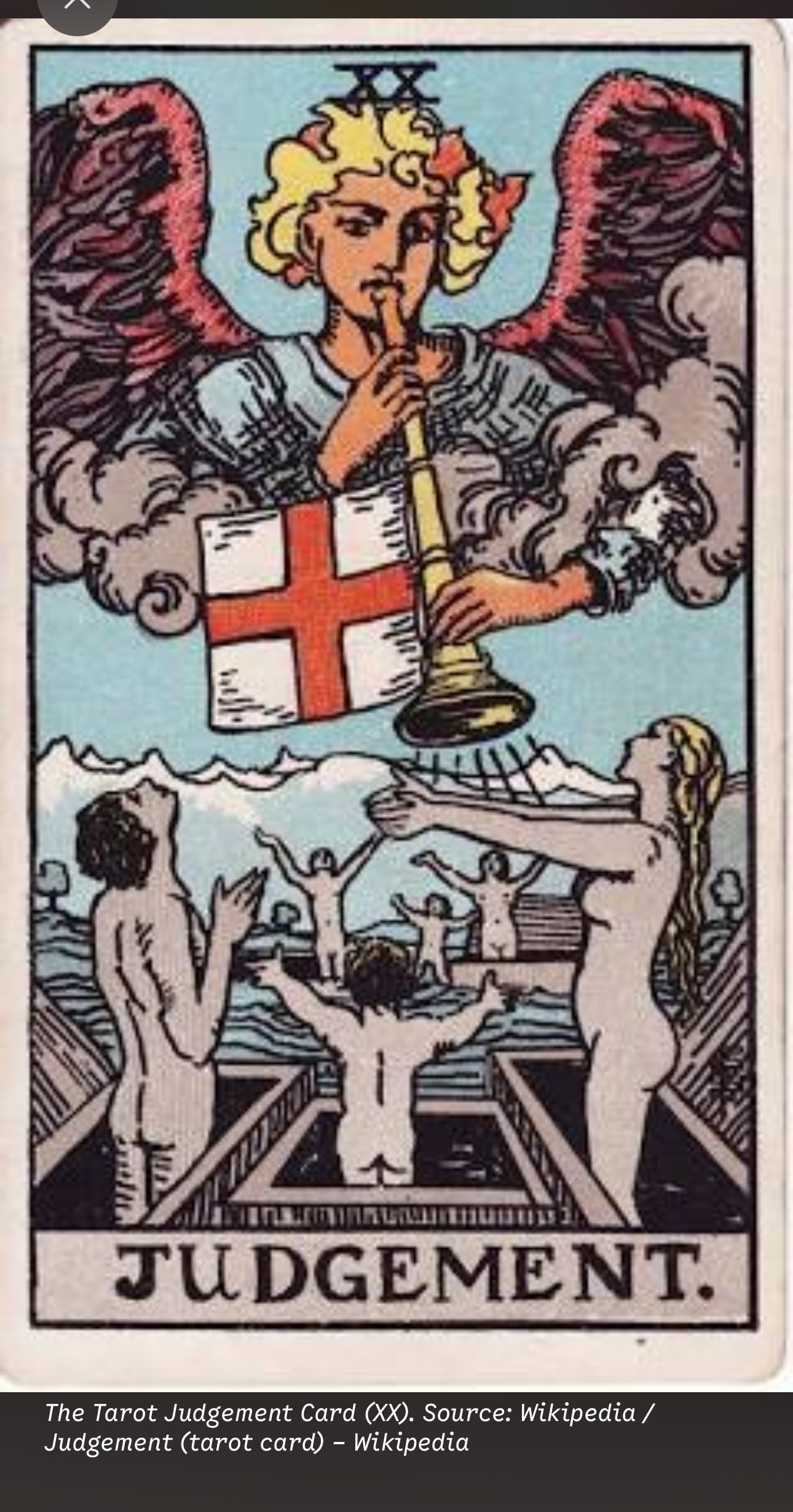
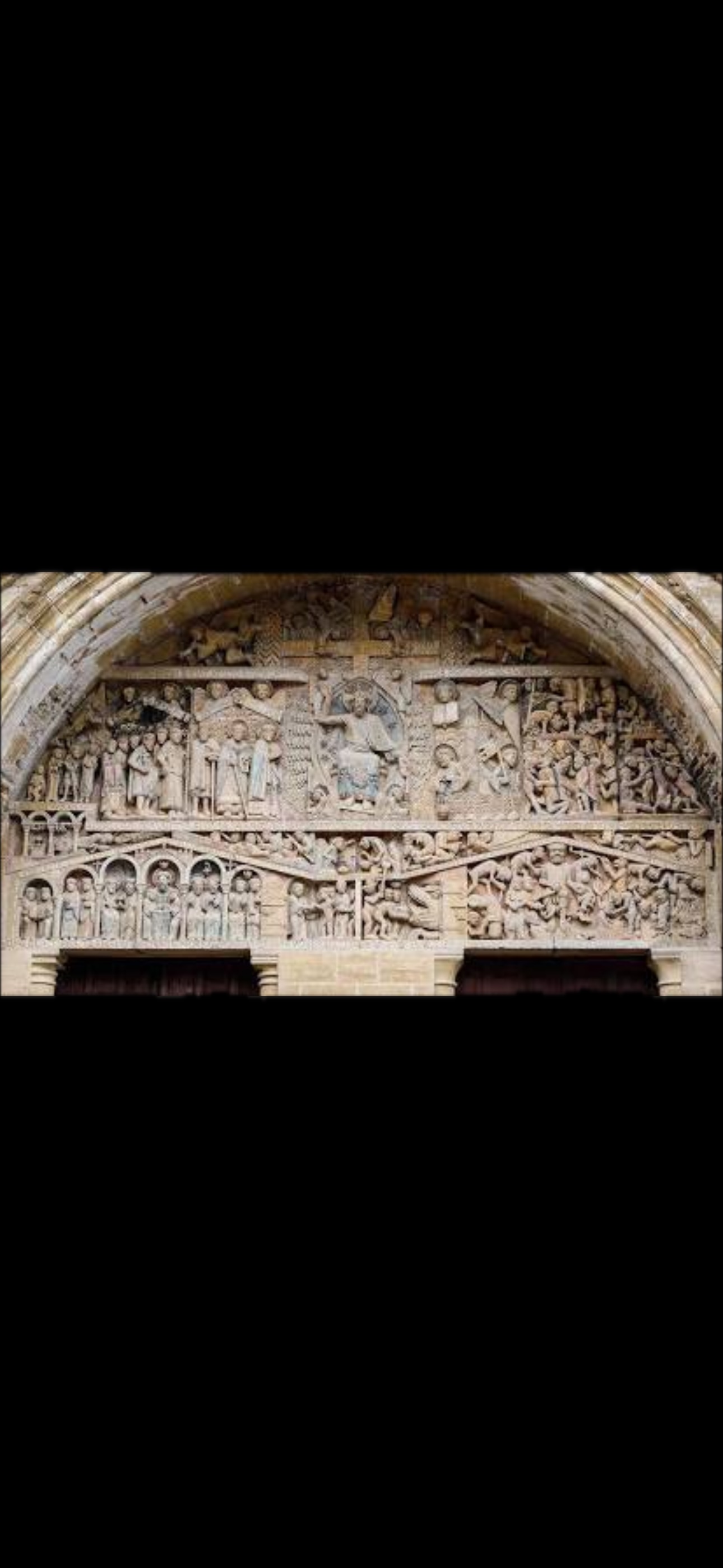
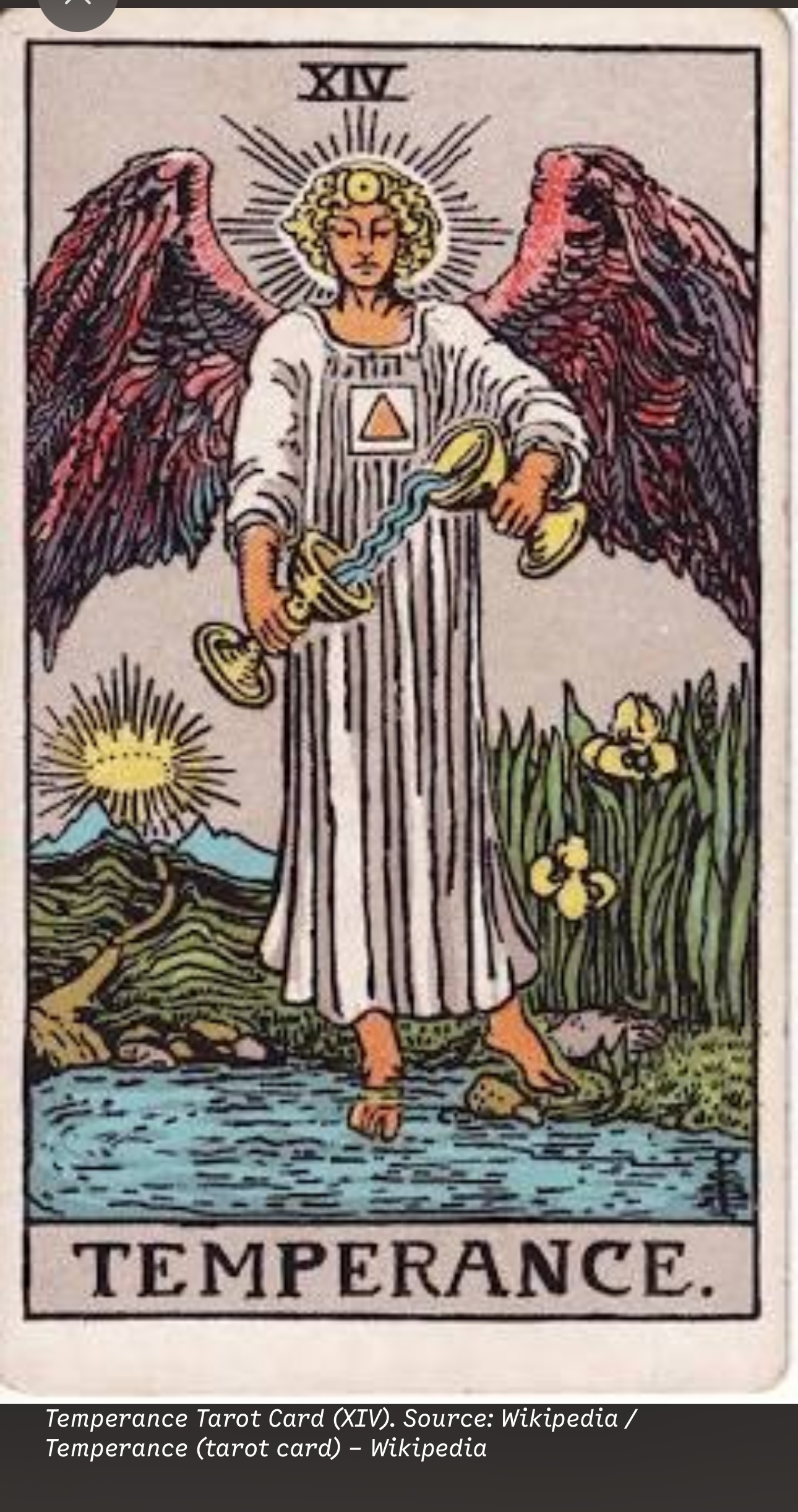
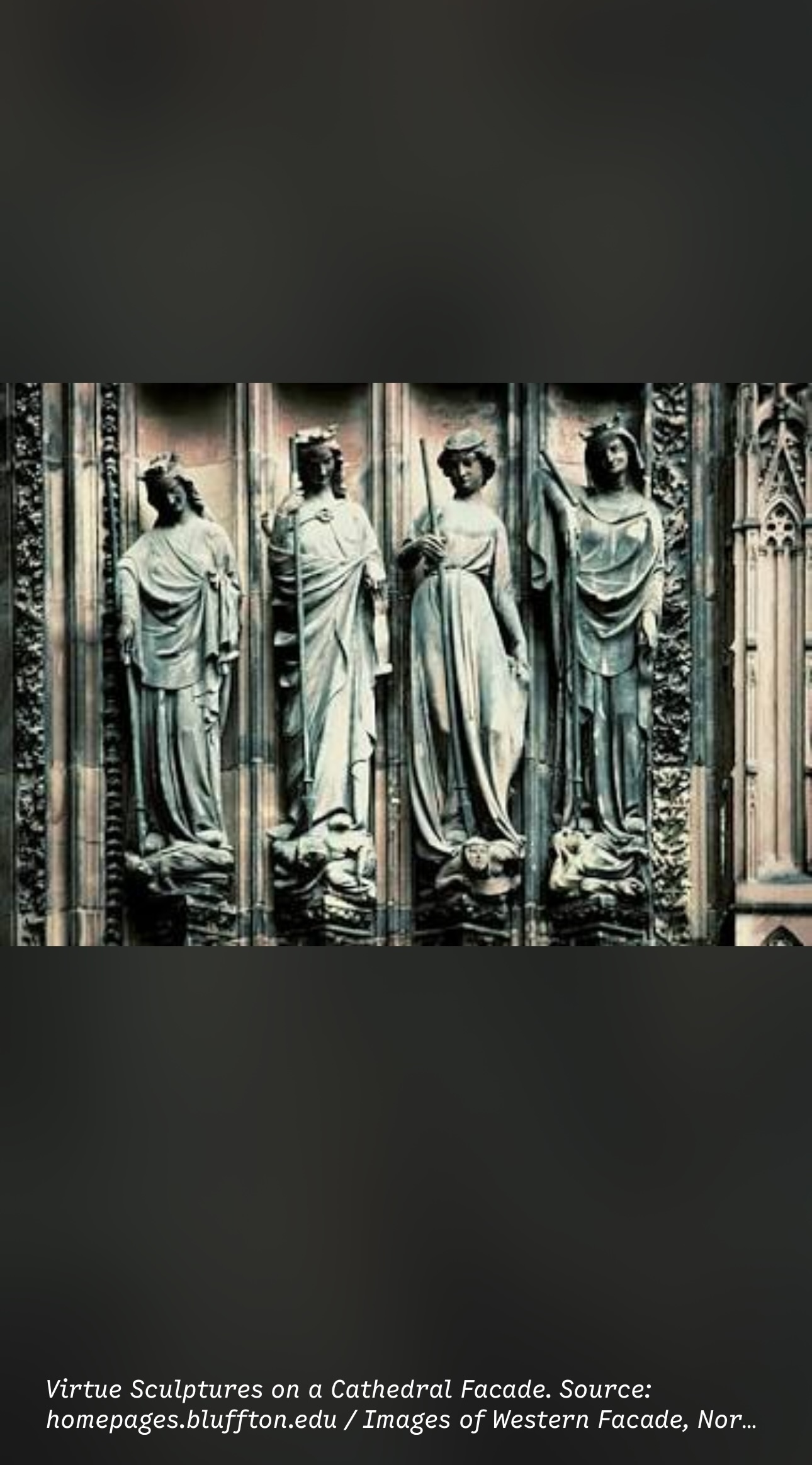
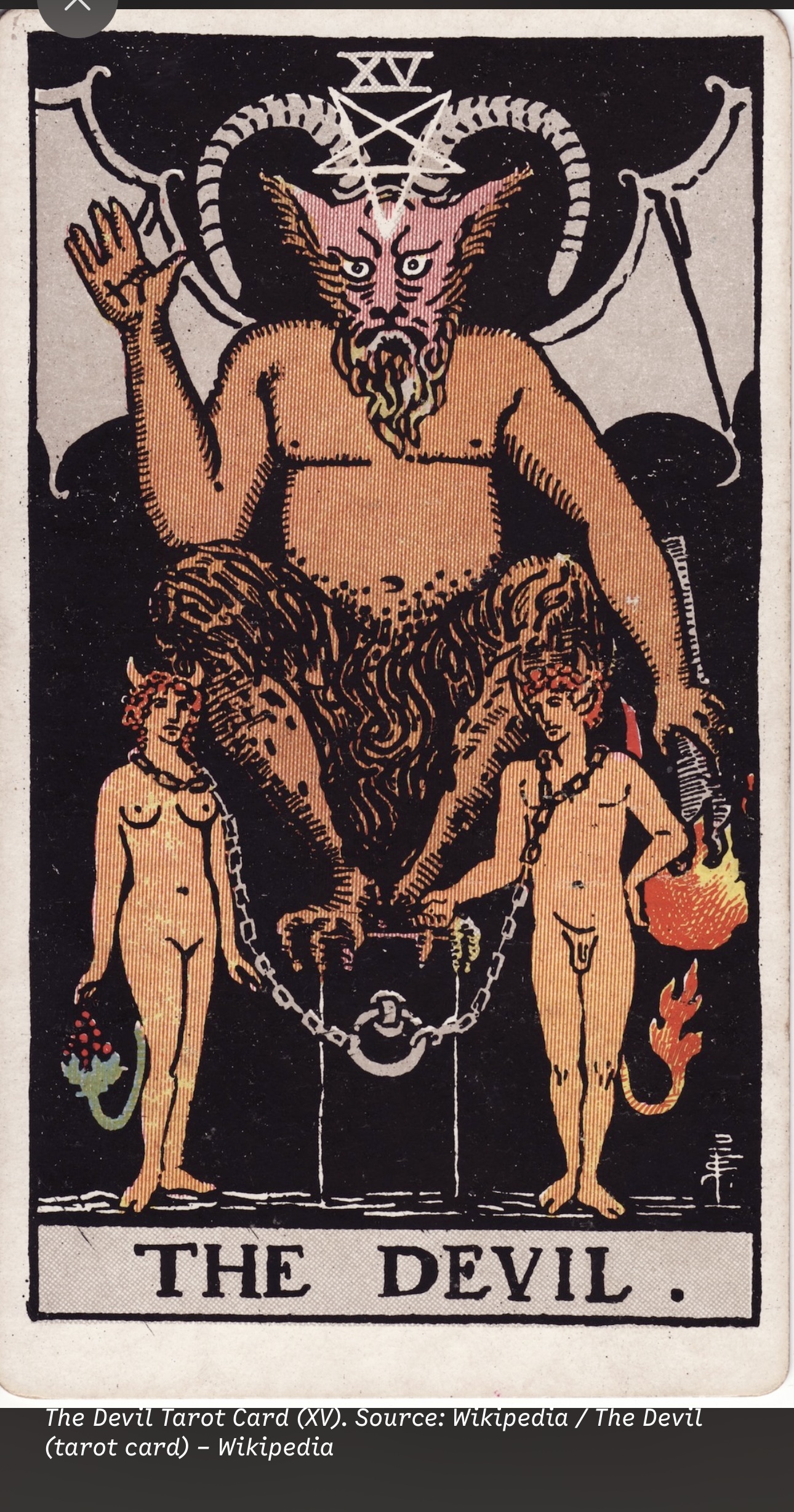
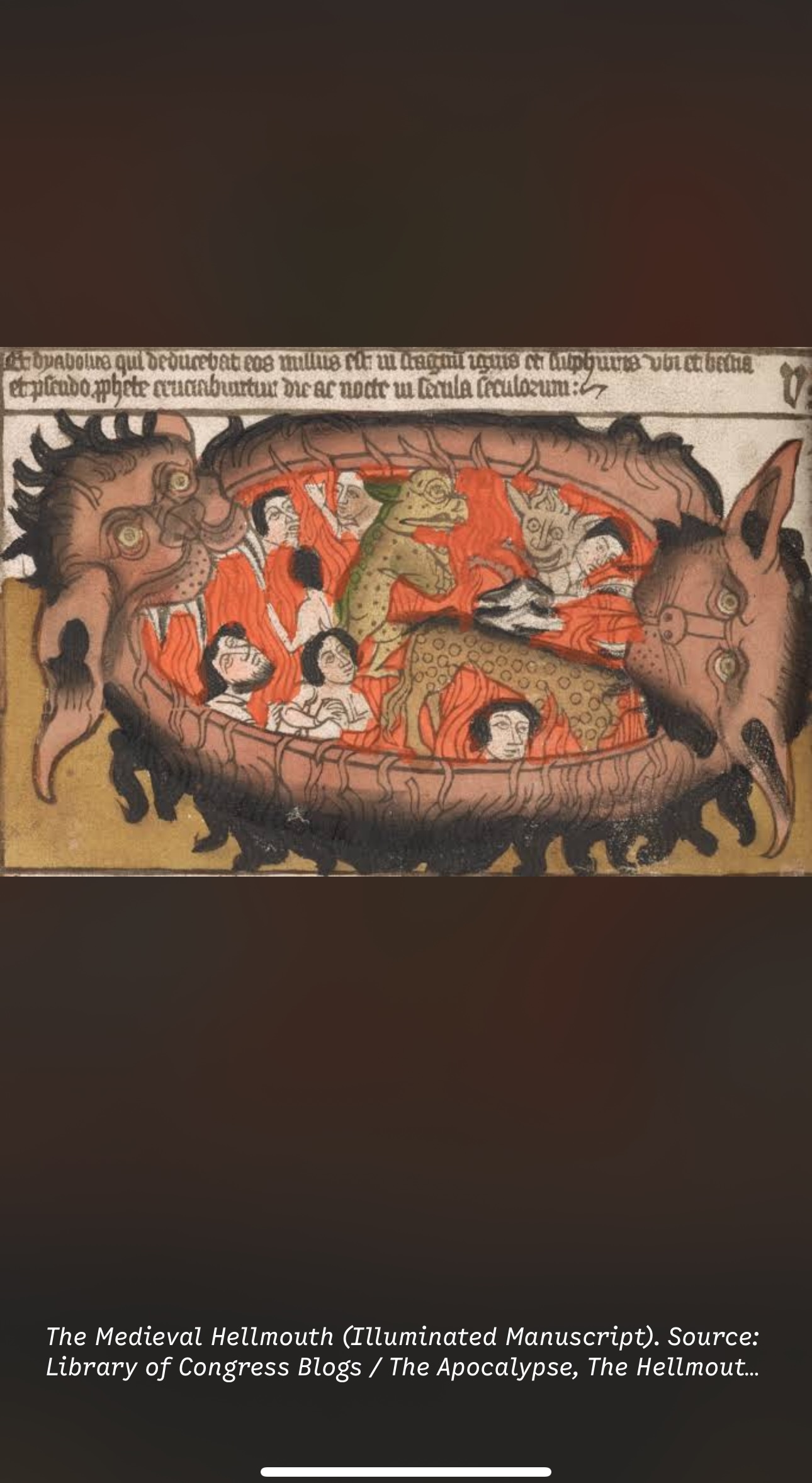
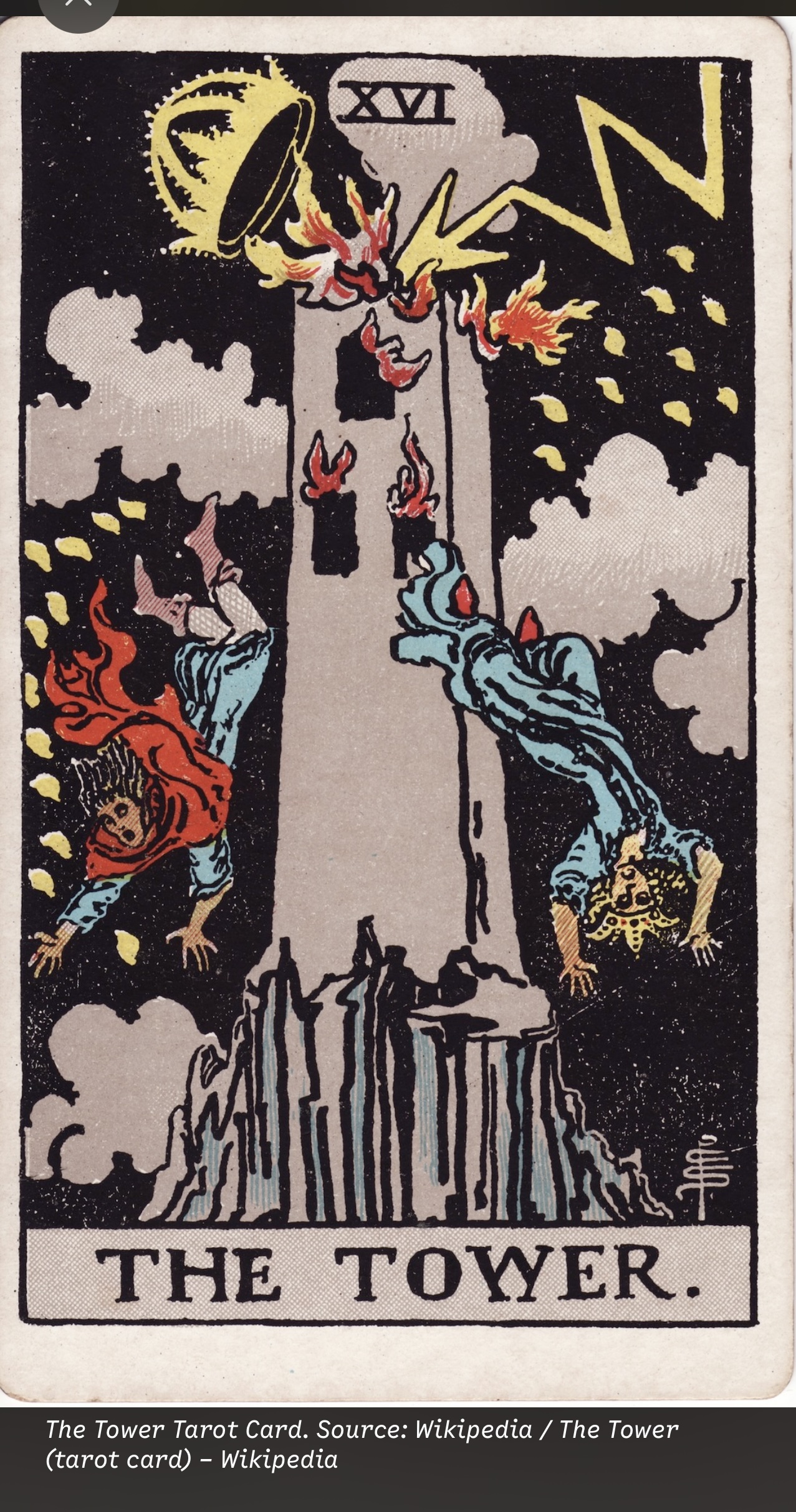
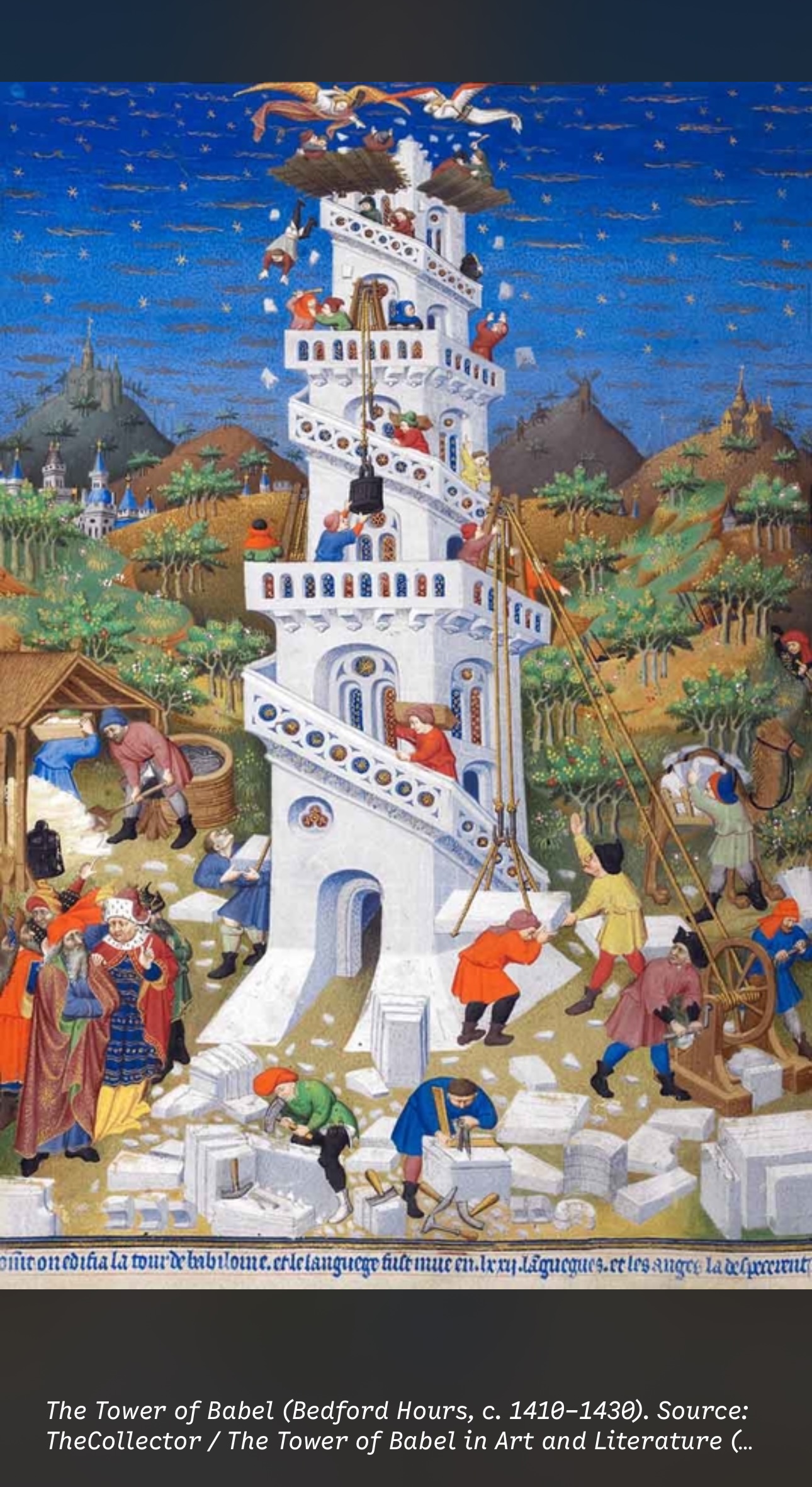
The trump cards are not a pagan invention. They are a medieval Christian moral universe — the Pope, the Last Judgment, the cardinal and theological Virtues, the Devil, the lightning-struck Tower. A Renaissance altar painter and a tarot card-maker were drawing from one shared vocabulary of saints, sins, death, and salvation. The "ancient pagan Egyptian" framing was added only in 1781. So the imagery on the cards had a Christian home from the very beginning.

The Judgement tarot card
The Tarot Trump · XX Judgement
=
A medieval Last Judgment tympanum over a church door
The Church · Last Judgment tympanum
The shared image: the dead rising from their graves at the blast of an angel's trumpet.
The Temperance tarot card
The Tarot Trump · XIV Temperance
=
A medieval carving of the virtue Temperance
The Church · the Virtue, carved in stone
The shared image: a winged figure pouring liquid between two vessels — the exact emblem of the cathedral virtue.
The Devil tarot card
The Tarot Trump · XV The Devil
=
A medieval depiction of the Hell-mouth
The Church · the medieval Hell-mouth
The shared image: the horned beast and the small bound figures of the damned.
The Tower tarot card
The Tarot Trump · XVI The Tower
=
A medieval painting of the fall of the Tower of Babel
The Church · the fall of pride · Babel
The shared image: lightning toppling a proud tower — human arrogance struck down from above.

Why the connection runs deep

1

The same hunger

People rarely come to tarot for parlor tricks — they come during grief, uncertainty, or a search for meaning. That same hunger is what religious conversion speaks to. The cards can be a doorway into taking the unseen seriously.

2

How some communities frame it

In charismatic and evangelical circles, tarot is often labeled occult. Someone who leaves it may describe that chapter as a time they were "lost," and the change becomes a dramatic "lost, then found" story — a very old narrative shape.

3

A doorway, not always a destination

Many treat the cards as training wheels for intuition. When someone wants community and a fuller cosmology, some find their way to Christianity — often the faith they grew up in, now returned to with new intensity.

4

What each one offers

Tarot offers reflection and insight; organized faith adds structure, community, and a promise of salvation the cards never claimed to give. For people in real crisis, that difference can be decisive.

The Through-Line

Seen this way, tarot and the church aren't opposites — they share one iconography. That isn't a debunking; it's closer to a compliment, placing tarot inside a deep and sacred art tradition. Set a trump beside a 15th-century altarpiece and they plainly speak the same visual language.

So the movement some people make from the cards toward Christianity is less a switch between belief systems than a recognition — that the imagery they were always drawn to had a Christian home all along.

A note on nuance: this connection is real and visible, but it describes a particular pattern — not what happens to most people who read tarot. Tarot today is a living spiritual practice and, for many, a livelihood. This page traces where its pictures come from; what they mean is yours to decide.

The deck is medieval, the tarot is Renaissance, and the "ancient mystical" tarot is the youngest layer of all.

~1,900 yrs  paper ~1,200 yrs  cards ~650 yrs  European deck ~580 yrs  tarot ~245 yrs  the mystical tradition
An educational resource on the visual history of tarot and playing cards.